.svg)

Sustainability initiatives have become increasingly popular worldwide, driven by technological advancements, policy frameworks, and growing awareness among individuals and companies. They come from many areas of focus ranging from renewable energy usage, waste management, sustainable agriculture, green building, sustainable transportation, and many others. Despite these initiatives and their advancement being crucial for the future environmental and economic resilience and our population’s well-being, their availability and their adoption still vary across the planet significantly. This time we will zoom more into the three of them which have been getting more traction in the past decade – recycling, sustainable housing, and sustainable transportation.
Waste management and recycling
With most of the consumption also comes waste. And the way we consume but also manage the waste determines how our environment will look like. In 2021, the average UK household produced almost 1 ton of waste. 80% of this household waste was recyclable. (1) However, only cca 45% of the total household waste was recycled. (2) By not using the full potential of recycling capacities, we are also missing out on a big opportunity to reduce our overall carbon footprint as the GHG (Greenhouse gas) emissions from producing recycled materials are 37% lower than when production uses new “virgin” materials. (3)
In the EU in 2020, the overall recycling rate of a municipal waste was slightly above 48% in 2022 with Germany and Austria leading the recycling charts. (4) When looking at U.S., the recycling rate is rather low at only 21%, with wide variation between states with considerable number of recyclables still going to landfills. (5) Why is the rate in one of the most developed countries falling behind? Five years ago, many cities in the country had scrapped or scaled back recycling programs due to high costs of recycling programs operations. (6) No matter if the reason is the lack of effective federal oversight, the inability to offload some of their recyclables overseas or any other, there is not such a unified support towards recycling as is in Europe.
South America as well as Africa recycling rate oscillate around 5%. And when it comes to Asia, it is hard to define one recycling figure for the whole continent as the rates vary significantly and the access to data and their credibility also poses some challenge. E.g., only 47% of the waste in the ASEAN region is estimated to be collected, and 1/4 of the amount collected is recycled. (7) Few individual countries stand out; Singapore with high overall recycling rate of 59% followed by Taiwan who is seen as a zero-waste hero in the region. (8)
Sustainable housing
Sustainable housing appeared as a response to the environmental challenges posed by traditional construction and living practices. It focuses on energy efficiency through high-performance insulation and smart home technologies, integration of renewable energy sources like solar panels, and water conservation with systems that reduce consumption. Sustainable materials, and waste reduction through efficient construction practices are also key components. But the benefits of sustainable housing extend beyond environmental protection. Economically, sustainable homes reduce energy and water bills and are able to provide better indoor air quality and natural lighting. That is also why the construction industry has been embracing green building standards like LEED originating in US, BREEAM from UK, DGNB from Germany, Green Star in Australia, and others. The network of certified buildings is expanding. LEED certified buildings can be found in 186 countries (9) and BREEAM certified more than 535,000 buildings, with a further 2,217,000 registered for certification. Many of these are in the UK, however the numbers are growing in other more than 74 other countries. (10) It is important to mention that majority of the applications go for commercial buildings rather than the residential ones.
According to the Department for Business, Energy & Industrial Strategy (BEIS), the average household in the UK used 3,509 kWh per year in 2021. (11) Majority of the energy consumption in households is used for heating, AC, and water heating (e.g., 60% in US), less than a quarter goes into appliances and electronics and less than 10% into lightning. It is estimated that yearly savings with sustainable household practices like LED lighting, smart heating, energy-efficient appliances, better-insulated construction can reach 10–30%. The amount of savings, however, varies depending on the specific practice, condition of the house, changing seasonal conditions, cards, and other elements.
Sustainable transportation
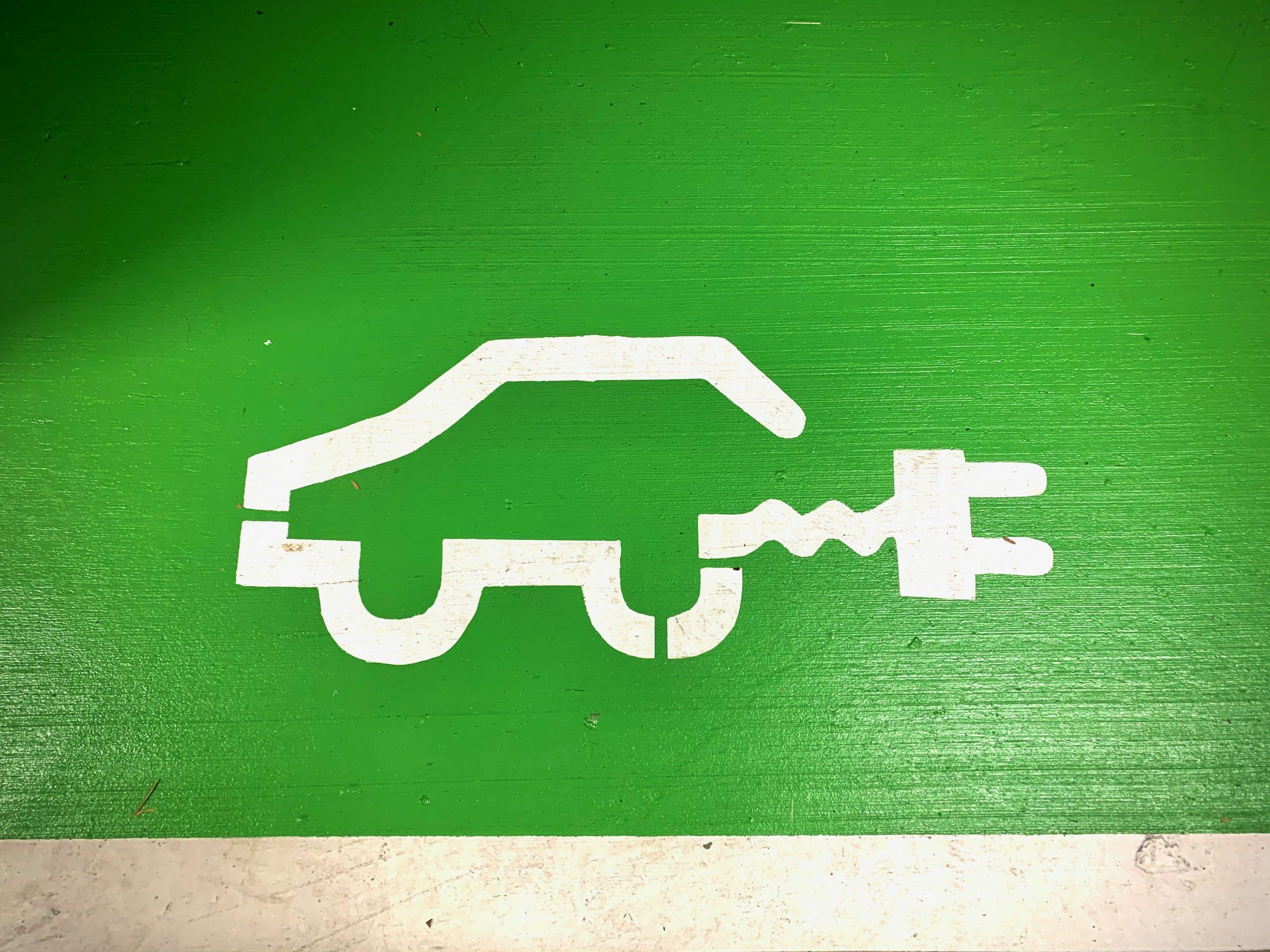
Sustainable means of transportation are another response to the growing awareness of climate change, urban congestion, air and noise pollution, and the impact but also a scarcity of fossil fuels. The shift towards public transportation systems, electric vehicles (EVs) and non-motorized transport (walking, cycling) is gaining momentum. How big of a carbon footprint does driving a car make? Most UK households have access to one car on average. (12) When assuming driving 20 000km with an average car consumption of 8l/100km, the carbon footprint will represent 3.75t of CO2. When switching to an EV (Electric Vehicles) car with 17kWh consumption and the same mileage driven, the respective carbon footprint is projected to decrease by almost 77% to 0,87t of CO2e. And even a lower carbon footprint can be achieved when opting for public transport.
With the growing availability of hybrid and electric vehicles the opportunities for companies to support their assignees in sustainable choices expand as well. Europe has been a pioneer in promoting green mobility and in 2023 the all-electric car segment noted a 16% market share. The availability of hybrid or electric vehicles in the EU grew in the past years with expanding infrastructure and with state policies incentivizing use of the EVs. The EV sales increased in US and a growth also experienced Asia, mostly driven by China and their subsidies and focus on “electrifying” the automotive industry. However, China is rather rare in the region. The EV sales in China reached 29% in 2022, compared to 2% of the total vehicle sales in SEA in India. (13)
Of course, sustainable transportation has its own challenges, mainly from its infrastructural perspective. Sufficient charging infrastructure and the general grid capacities would require structural and systematic changes which would need further strategic planning and investments. So will the public transit system or changes in urban development when it comes to adjusting to bike lanes or pedestrian pathways.
The adoption and effectiveness of sustainability initiatives are influenced by a combination of factors. However, availability and costs are the immediate ones when it comes to the final decision which one to go for. The higher the availability and the more comparable price the more likely the sustainability initiatives adoption will increase. And while considerable progress has been made, the extent of adoption varies widely across regions thanks to economic, technological, political, and other barriers. Overcoming these barriers requires coordinated efforts from governments, businesses, and communities, and continued innovation and capacity-building. With innovation and continuous learning from successful initiatives and scaling them globally, we can accelerate the transition to a more sustainable and resilient communities worldwide.
Sources:
2. Statista
4. Statista
6. Foundation for Economic Education
7. MDPI
8. Earth.org
9. USGBC
10. BREgroup
11. GovUK
12. GovUK
13. Economic Times
Image credits:
1. Photo by NASA on Unsplash
2. Photo by Victor on Unsplash
3. Photo by Ralph Hutter on Unsplash

.avif)
.avif)
.svg)


